Why ADHD Makes Communication in Relationships Feel So Hard
ADHD can show up loudly in relationships, even when both partners care deeply about each other. Missed details, impulsive comments, forgotten plans, zoning out during a story, all of these can easily be misread as disrespect or indifference. Over time, this can create a pattern where one partner feels unseen and the other feels constantly in trouble.
ADHD affects attention, working memory, emotional regulation, and time management. That might look like interrupting without meaning to, losing track of conversations, underestimating how long something will take, or having big emotional reactions that feel out of proportion to the moment. When this happens again and again in daily conversations, both people can feel exhausted and misunderstood.
Many couples fall into familiar roles:
- One partner feeling like the "parent" or manager of life details
- The ADHD partner feeling policed, criticized, or like the "problem"
- Repeated misunderstandings that quickly escalate into big arguments
- Both partners walking on eggshells to avoid the next blow-up
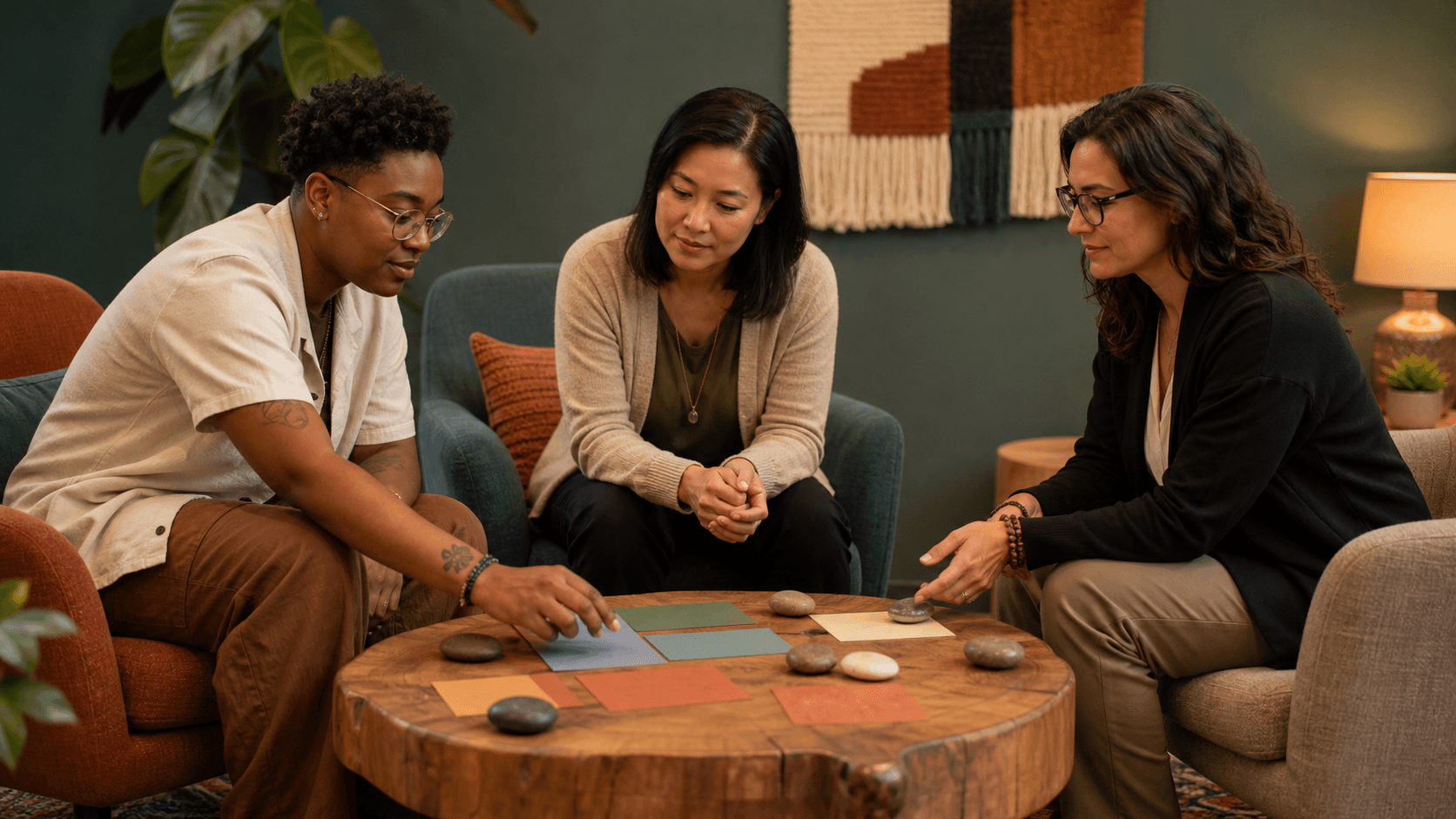
At Be BOLD Psychology and Consulting, we support couples living with ADHD, Autism, and other neurodivergences through trauma-informed, LGBTQIA+ celebratory care. Our therapists offer couples counseling in NC through online sessions and, when appropriate, walk-and-talk therapy, to make support more accessible and less intimidating.
Reframing ADHD in Your Relationship as a Shared Challenge
One of the most helpful shifts we see in couples therapy for ADHD is moving from "you are the problem" to "ADHD is something we are facing together." This does not erase accountability, but it changes the tone from blaming a partner's character to understanding how their brain works.
Many ADHDers and Autistic partners carry a history of:
- Being told they are "too much" or "not enough"
- Having their needs and differences dismissed or punished
- Experiencing repeated rejection or criticism for things they genuinely struggle to control
- Masking parts of themselves to stay safe
This history can make every disagreement feel loaded. A small comment about dishes might land like a lifetime of criticism. A reminder about an appointment might feel like yet another confirmation of "I am failing."
Validating language can soften this dynamic. For example:
- "I know your brain works differently, can we figure out a way to make this easier?"
- "I see that you are trying, even when it does not go as planned."
- "I am frustrated about what happened, and I still care about you."
- "Can we talk about this as us versus the problem, not me versus you?"
Couples counseling in NC with a neurodivergent-affirming therapist, such as those on our team in Durham, can give both partners shared language and education about ADHD. Understanding the why behind behaviors often reduces shame and blame, and that opens the door to more compassionate problem-solving.
Communication Tools That Actually Work for ADHD Brains
Traditional communication advice does not always match how ADHD brains operate. Long, intense sit-down talks can overwhelm working memory and emotional regulation. Instead, we often recommend shorter, more structured, and more sensory-aware conversations.
Some ADHD-friendly communication tools include:
- Brief, regular check-ins instead of rare, high-pressure talks
- Shared notes, lists, or apps so information is written down, not only spoken
- A weekly "state of the union" chat with a clear time limit and set topics
- Simple signals (a hand gesture or word) to pause when emotions start to spike
Conflict conversations may also need to be adapted. Slowing down is key, but that does not always mean sitting still. Many ADHD and Autistic folks regulate better with movement or sensory input. That might look like:
- Taking a movement break, not as avoidance but as nervous system care
- Talking while walking, pacing, or engaging in a light repetitive activity
- Agreeing on a time to return to the conversation so it does not just disappear
- Starting again with each person stating their intention, for example, "I want us to feel like teammates."
Sensory needs matter too. Some partners communicate better:
- Side-by-side instead of direct eye contact
- With minimal background noise or distractions
- With access to stims, fidgets, or comfort objects
In couples therapy for ADHD, a therapist can help you experiment with these tools, notice what actually works in your real life, and tweak the plan so it feels sustainable rather than like another impossible standard.
Repairing After Conflict and Healing Old Relationship Wounds
ADHD-related symptoms like impulsivity, emotional intensity, and forgetfulness can lead to repeated ruptures. The argument might be about a text not returned or bills not paid, but underneath, both partners may be holding a long list of past hurts. When those hurts pile up, even minor conflicts can feel enormous.
We often teach a simple repair process that includes:
- Naming what happened in concrete, non-blaming terms
- Owning impact, even when intentions were good
- Validating each partner's emotional and nervous system response
- Agreeing on one small step that might help next time
For example, "I did not respond to your message for hours, and I see that made you feel alone and unimportant. That was not my intention, and I get why it landed that way. Next time, I can send a quick 'I saw this, will answer later' so you know I am there."
It is also important to remember that many Queer, Trans, BIPOC, Autistic, ADHD, and other marginalized partners bring trauma or minority stress into relationships. Conflict can feel unsafe not only because of what is happening in the moment, but because it echoes past experiences of rejection, discrimination, or harm.
Couples counseling in NC can create a safer container to practice repair in real time. A therapist can slow the pace, support both partners in staying within their window of tolerance, and help you learn what genuine repair feels like instead of repeating cycles of disconnection.
Building Daily Routines That Support Neurodivergent Love
While big conversations matter, a lot of relationship health lives in the small, everyday moments. Structure and predictability can reduce misunderstandings and resentment, especially when ADHD and executive functioning challenges are part of the picture.
Helpful daily supports might include:
- Shared calendars with reminders that work for both partners
- Chore systems that match each person's strengths and energy patterns
- Visual cues around the home to prompt tasks instead of relying on memory
- Realistic expectations about time, spoons, and fluctuating capacity
Rituals of connection do not have to look like what relationship books describe. Many neurodivergent couples thrive with:
- Walk-and-talk check-ins
- Parallel play, like reading or gaming in the same room
- Shared creative projects or special interest time
- Short, predictable touchpoints like a morning coffee chat
It can also help to divide roles based on strengths rather than "shoulds." Maybe one partner is better at long-term planning and the other is great at last-minute problem solving. Those roles can be revisited and renegotiated when life changes.
For couples therapy in Durham and other PSYPACT states where we are able to serve clients, our therapists work collaboratively with partners to design flexible routines that honor disability, chronic health conditions, and shifting energy, instead of expecting anyone to operate like a machine.
How Be BOLD Supports ADHD Couples Seeking Affirming Care
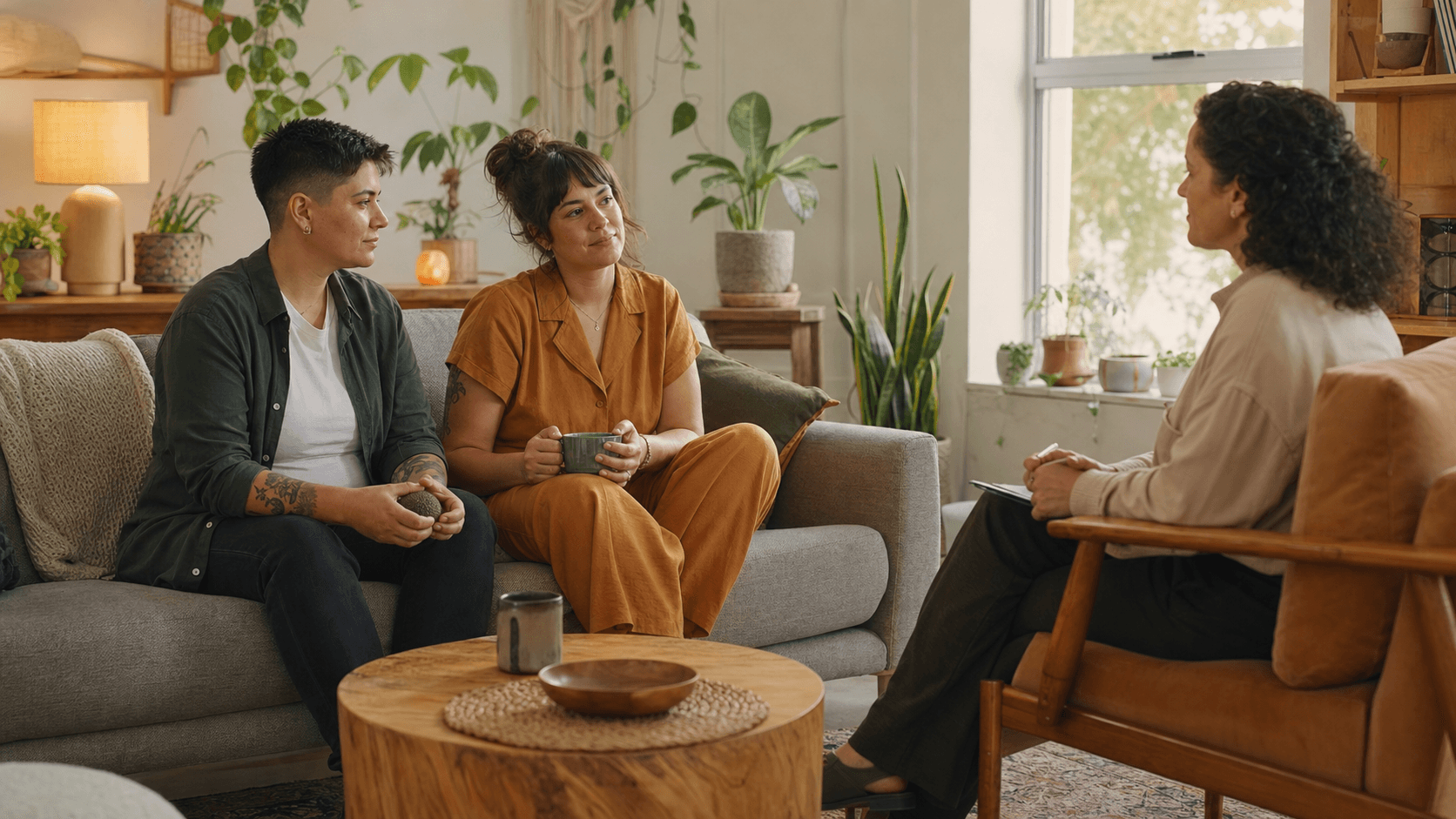
In a first session of couples counseling in NC at Be BOLD Psychology and Consulting, we focus on getting to know who you are as whole people. That includes your identities, access needs, boundaries, relationship structure, and what you hope will feel different, rather than starting from the assumption that anyone is broken or the "identified patient."
Our approach is trauma-informed, LGBTQIA+ celebratory, and neurodivergent-affirming. We welcome Queer, Trans, Autistic, ADHD, BIPOC, and other marginalized partners who may not have felt safe or affirmed in past therapy experiences. We understand that your relationship does not exist in a vacuum. It exists within systems of power, bias, and access.
We offer online therapy for couples counseling in NC and select PSYPACT states, along with walk-and-talk options when appropriate for clients who prefer movement and outdoor spaces. Our aim is to create a space where both partners can be honest, supported, and curious about new ways of connecting, without sacrificing core parts of who they are.
Taking the Next Step Toward Easier Conversations Together
If you are feeling overwhelmed by communication in your relationship, you are not alone, and you are not failing. ADHD does not have to mean constant conflict. It simply means your relationship may need different tools, more intention, and more compassion for how both of your brains and bodies work.
This week, you might try one small shift, such as a 10-minute check-in, a movement break during an argument, or a validating statement that acknowledges ADHD as part of the picture. Progress in relationships is built on tiny, repeated steps, not instant perfection. With affirming support and couples counseling in NC that respects your identities and neurotype, it is possible to move toward more ease, understanding, and genuine connection.
Take The Next Step Toward A Stronger Relationship
If you and your partner are ready for support that respects both of your perspectives, we are here to help at Be BOLD Psychology and Consulting. Learn how couples counseling in NC can help you communicate more clearly, rebuild trust, and feel more connected. Reach out today to contact us so we can explore whether we are a good fit and schedule your first appointment.